


Losing weight can be much harder for some people than for others because body weight is influenced by factors beyond willpower or motivation.
For many people, it gets harder with age, busy routines and underlying health conditions.
Medical weight loss management offers a structured and supervised alternative to going it alone. Here we explain what it involves, who is eligible and what you can expect from a medical weight loss clinic.
What is Medical Weight Loss Management?
Medical weight loss management is a clinically supervised approach to losing weight and developing a healthier lifestyle in the long term. A doctor or nurse prescriber assesses your health, identifies the reasons behind your weight gain and builds a plan around your individual needs.
Many people work hard to lose weight but struggle to see results. In some cases, an underlying health condition, hormonal imbalance or other medical factor may be making weight loss more difficult. Medical weight loss management helps identify these issues and provides tailored support to achieve sustainable results.
Your doctor looks at the whole picture rather than focusing on one quick fix. A recommended medical weight loss programme combines several elements:
- A full health assessment, including your medical history and current medications
- Body measurements such as your BMI and blood pressure
- Blood tests to check for issues that affect weight, energy and metabolism
- A personalised nutrition and lifestyle plan
- Regular follow-up appointments to track progress and adjust the plan
- Prescription medication for eligible patients, where it is clinically appropriate
How is Medical Weight Loss Different from Managing Weight Alone?
Self-directed diets, while they work well for many people, sometimes don’t address why the weight is there in the first place. Medical weight loss is led by a doctor and is grounded in your health data.
Key differences include:
- Your plan is based on a proper clinical assessment.
- Underlying causes such as thyroid problems or insulin resistance can be identified and treated.
- Progress is monitored, so the plan can be adjusted if it stalls.
- Support is ongoing rather than a one-off.
What Happens at a Medical Weight Loss Clinic?
A medical weight loss clinic gives you access to trained clinicians and proper diagnostic tools. Your first appointment will be a consultation. This is a chance to talk through your goals, your past attempts at losing weight and any health concerns.
After the consultation, the clinical team will usually:
- Measure your height and weight to calculate your BMI.
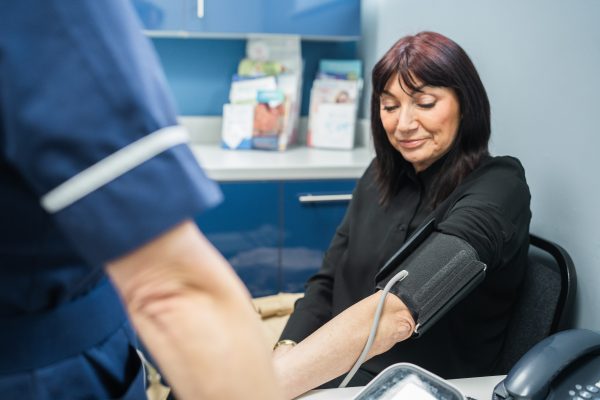
- Check your blood pressure.
- Arrange optional blood tests to assess cholesterol, blood sugar, liver function and thyroid function.
- Review the results and agree a personalised plan with you.
These checks give your clinician a clear baseline. They also help rule out medical reasons behind weight gain that may need separate treatment.
Is Medical Weight Loss Available on the NHS?
Yes, weight management support is available on the NHS, but access is strictly limited to individuals with the highest clinical need. The NHS runs tiered weight management services, and your GP can refer you if you meet the following criteria:
- A Body Mass Index (BMI) of 40 or over.
OR
- A BMI of 35 or over, along with weight-related health conditions, such as Type 2 diabetes or high blood pressure.
Waiting times and eligibility rules mean these services are not open to everyone straight away. This is one reason some people choose a private route, which offers quicker access and longer appointments. Our article comparing private GP care and the NHS looks at the trade-offs in more detail.
Can a Private GP Prescribe Weight Loss Medication?
Yes. A private GP can prescribe weight loss medication for eligible patients, but only after a clinical consultation. These medicines are prescription-only, which means they cannot be bought freely and must be supervised by a qualified prescriber.
Suitability is decided on a case-by-case basis. Your prescriber will look at your BMI, your general health and any related conditions before deciding whether medication is appropriate. Medication is never a standalone solution. It works best alongside changes to diet, activity and daily habits.
A private GP can also offer the longer appointment and ongoing review that safe prescribing requires. If you want to understand your options, our private GP practice offers a weight management consultation where a doctor can assess your needs.
How do Medical Weight Loss Injections Fit Into a Weight Management Plan?
Medical weight loss injections are one option a doctor may consider, but they are prescription-only medicines. They are not suitable for everyone, and they are only provided after a full assessment.
These medicines work by acting on the hormones that control appetite and how full you feel. For some eligible patients, this can support weight loss when it is combined with the right diet and activity. Like all medicines, they can cause side effects, so medical supervision matters.
It helps to keep a few points in mind:
- They are prescription-only and require a clinical assessment.
- They are not a quick fix or a replacement for healthy habits.
- Diet, nutrition and exercise remain essential for lasting results.
- Ongoing monitoring helps keep treatment safe.
You can learn more in our articles on what weight loss injections are and how they work and why diet and exercise still matter alongside them.
Why do Diet and Exercise Still Matter with Medical Weight Management?
Even with support from medical professionals or prescription-only medicines, your daily habits are fundamental for healthy weight loss. Good nutrition protects your muscle mass, energy and overall health while you lose fat. Rapid weight loss without proper nutrition can lead to tiredness, muscle loss and nutrient gaps.
This is why many medical programmes pair clinical support with a structured nutrition plan. Our practice uses the Alevere nutrition programme to help patients stay properly nourished while reducing their calorie intake. Regular movement then supports your heart, your mood and your long-term weight control.
Who is Suitable for Medical Weight Management?
Medical weight management can help a wide range of people, particularly those who have struggled to lose weight on their own. You are eligible if:
- Your BMI is in the overweight or obese range.
- Excess weight is affecting your health or a condition such as high blood pressure, joint pain or raised blood sugar.
- Previous diets have not produced lasting results.
- You want a safe and supervised plan rather than an unregulated product.
The only way to know if it suits you is a proper assessment. A clinician can rule out other causes and recommend the safest approach for your situation.
How Long Does Medical Weight Management Take?
There is no single answer, because healthy weight loss is a gradual process. Most people should expect a steady pace rather than dramatic overnight change. A safe rate of weight loss is usually around 0.5 to 1 kg a week, in line with NHS guidance.
A typical journey moves through a few stages:
- Assessment, where your baseline health is checked.
- An active phase, where you lose weight with support and monitoring.
- A maintenance phase, where the focus shifts to keeping the weight off.
Follow-up appointments are a core part of the process. They let your doctor adjust your weight loss plan and help you stay on track for the long term.
What are the Health Benefits of Reaching a Healthier Weight?
Losing even a modest amount of excess weight can make a real difference to your health, especially if you’re adopting healthier lifestyle and nutrition habits. A healthier weight to a lower risk of several serious conditions.
Benefits can include:
- A reduced risk of type 2 diabetes
- Lower blood pressure and a healthier heart
- Less strain on your joints
- Better sleep and energy levels
- Improved mood and confidence
Carrying excess weight is associated with conditions such as type 2 diabetes, heart disease and some cancers, which is why supervised medical weight loss is not solely about appearances.

How Do You Start Medical Weight Management in Birmingham?
Getting started with medical weight management is straightforward. The first step is a consultation with a private GP or nurse prescriber who can assess your health and discuss your goals. It helps to come prepared. Useful information includes:
- A note of any medications you take
- Details of past surgeries or ongoing conditions
- Your family history of conditions such as obesity, diabetes or heart disease
- A rough record of your recent diet and activity
The Oakley Medical Practice offers weight management in Birmingham led by experienced doctors. You can book a consultation to find out which approach suits you best.
FAQs
Is medical weight management safe?
Yes, when it is carried out by qualified clinicians. Safe medical weight loss comes through a proper consultation, the right plan and ongoing monitoring. This is one of the main advantages of a supervised approach over unregulated products bought online.
Do you need a referral for private weight management?
No. You can usually book a private consultation directly, without a referral. Your clinician will then carry out the assessment needed to plan your care.
Will I need blood tests?
Blood tests are not a necessity, but we would highly recommend them. Blood tests help your doctor check for issues such as raised blood sugar, cholesterol or thyroid problems. If any issues are found, then they can advise on the next steps needed to move forward.
Can medical weight management help if I have a health condition?
It often can, but your doctor again will assess this carefully. Some conditions affect which approaches are suitable, which is exactly why a medical assessment matters.
